Many calorie‑controlled meal plans recommend 400 kilocalorie meals as a sweet spot for satiety and weight management. But how big is a 400 kcal meal and what should it contain? This article explains what a balanced 400 kcal plate looks like, how to combine macronutrients to feel full and satisfied, and provides examples for breakfast, lunch and dinner.
Why 400 kcal meals?
A 400 kcal meal provides enough energy to fuel your body without overwhelming it with excess calories. When you spread your daily energy intake across three 400 kcal meals and a couple of small snacks, you’re more likely to maintain steady blood‑sugar levels and avoid extremes of hunger and overeating. Aiming for 400 kilocalories per meal also makes portion control easier when tracking your intake.
Building a balanced 400 kcal plate
A 400 kcal meal isn’t just about the number on the package—quality matters. Aim to include:
- Lean protein (∼30–40 % of the plate): chicken breast, fish, tofu, legumes or eggs. Protein promotes satiety and preserves muscle mass during weight loss.
- Complex carbohydrates (∼25–30 %): whole grains such as brown rice, quinoa, oats or potatoes. Complex carbs digest slowly and provide steady energy.
- Non‑starchy vegetables and fruit (∼30 %): leafy greens, colorful vegetables and fruits supply fibre, vitamins and antioxidants.
- Healthy fats (∼5–10 %): nuts, seeds, olive oil or avocado add flavour and help absorb fat‑soluble vitamins.
The following diagrams illustrate how these components can fit together for a balanced 400 kcal meal.
Sample 400 kcal breakfast
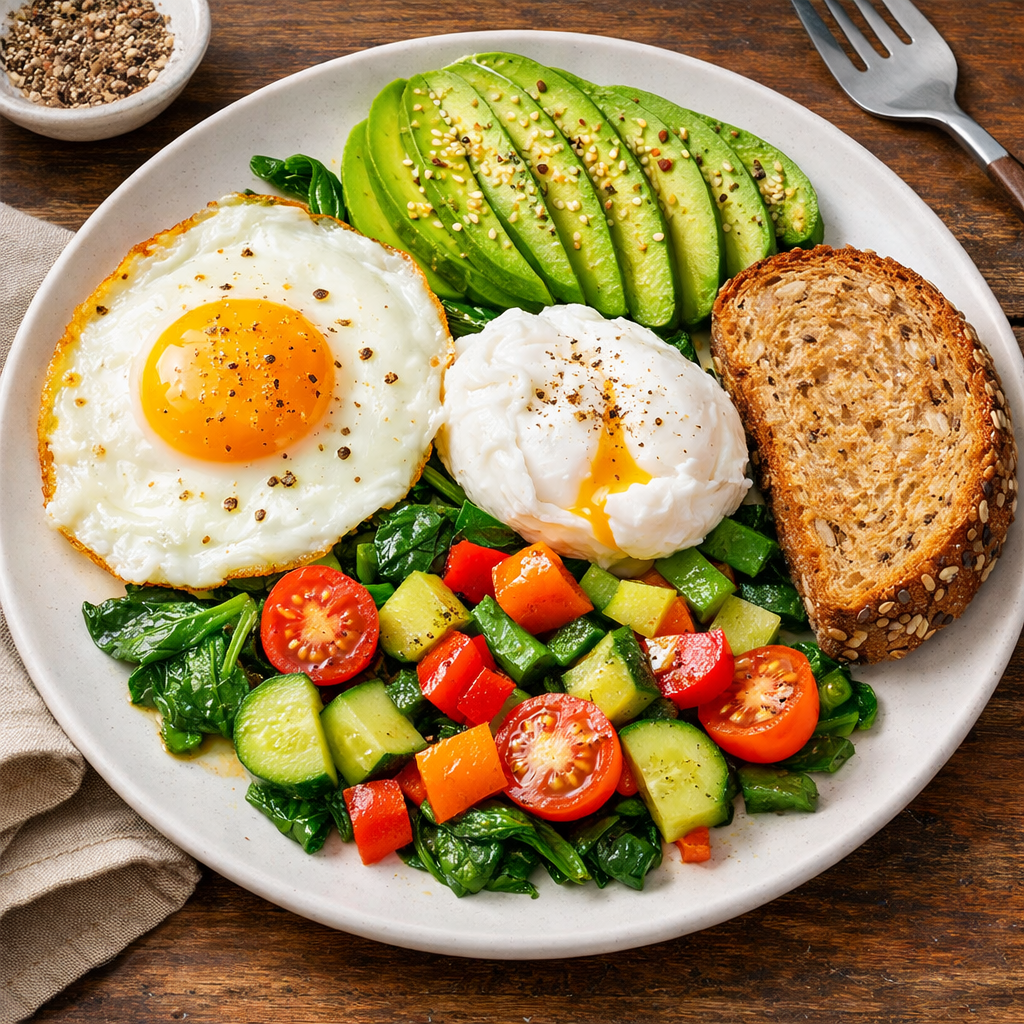
For breakfast, try fried or poached eggs served with sliced avocado, mixed vegetables and a slice of wholegrain bread. Here’s how the components break down:
The eggs supply high-quality protein, the wholegrain bread provides complex carbohydrates, avocado offers healthy fats, and the vegetables add fiber, vitamins and antioxidants—all for about 400 kilocalories.
Sample 400 kcal lunch
For lunch, enjoy baked salmon served with quinoa and colourful roasted vegetables:
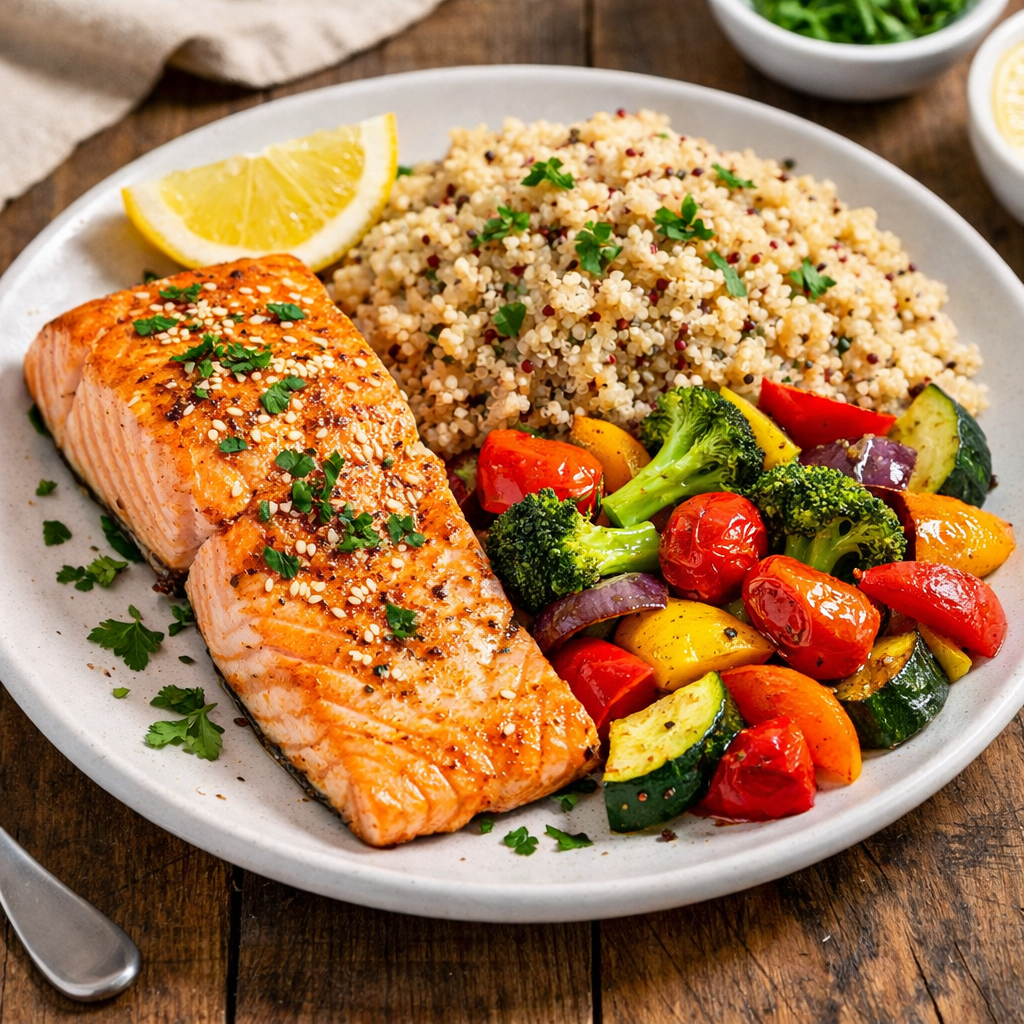
The quinoa provides complex carbohydrates, salmon supplies lean protein and omega-3 fats, and the colourful vegetables add fibre and nutrients. A drizzle of olive oil or lemon adds extra healthy fats and flavour.
Sample 400 kcal dinner
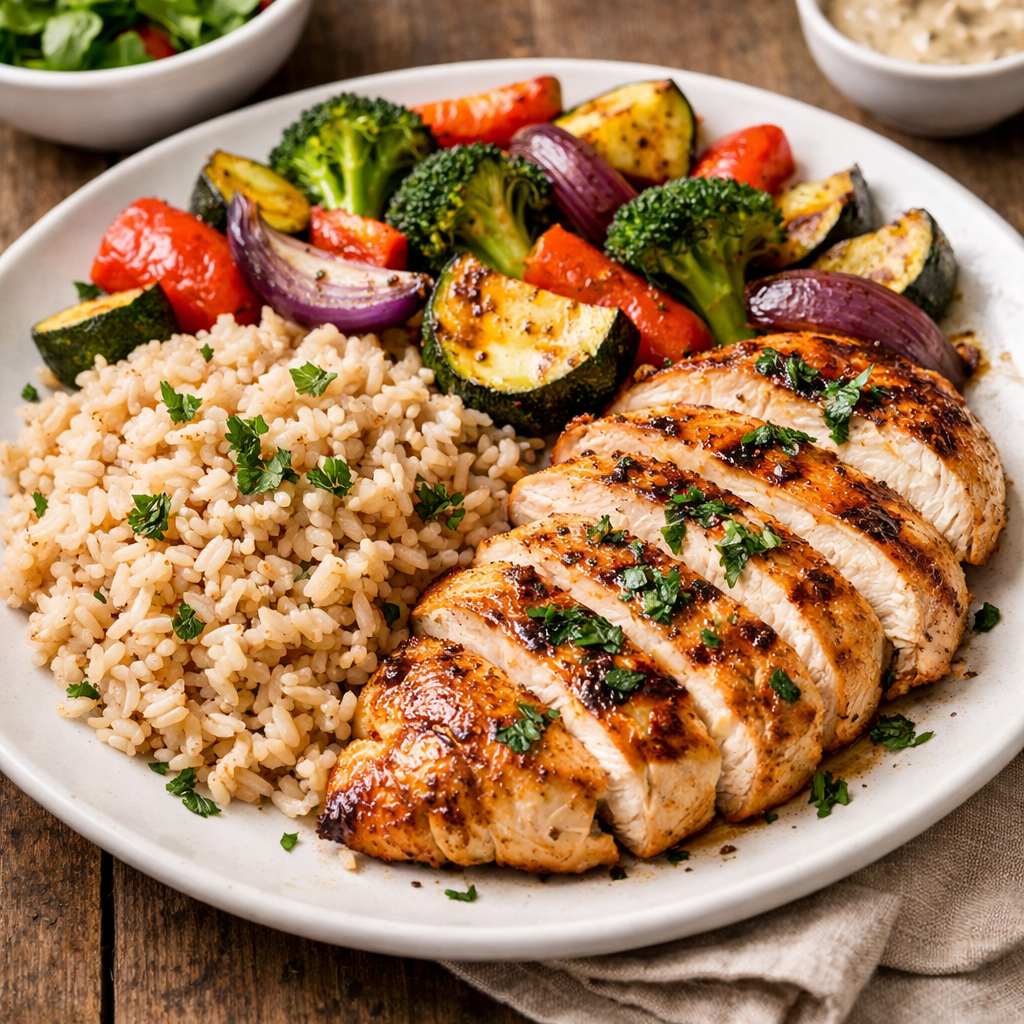
For dinner, enjoy brown rice paired with grilled chicken and oven-roasted vegetables:
The salmon offers omega‑3‑rich protein, sweet potato is a filling complex carbohydrate, and broccoli
A drizzle of olive oil or a few nuts rounds out the healthy fats.
Tips for creating your own 400 kcal meals
- Use smaller plates or bowls to encourage appropriate portion sizes. Visual cues make a big difference in how full you feel.
- Prep vegetables in advance so they’re easy to add to every meal. Keep washed greens, sliced peppers or steamed veggies in the fridge.
- Flavour foods with herbs and spices instead of high‑calorie sauces. Fresh herbs, garlic, lemon juice and pepper add taste without extra calories.
- Be mindful of liquid calories. Drinks can quickly add up, so choose water, unsweetened tea or black coffee with your meals.
- Balance your macros. If your meal is carb‑heavy, pair it with extra protein or fibre to slow digestion and keep you full longer.
By understanding what 400 kilocalories look like on a plate, you can assemble satisfying meals that support your health goals. This balanced approach—highlighting lean proteins, complex carbohydrates, colourful vegetables and healthy fats—helps you build 400 kcal plates that are both nourishing and delicious.
Pingback: Day 7: Easy 400 Kcal Daily Meal Plan with Shopping List